How to Choose the Best Tea in Singapore
A practical framework for comparing tea quality, sweetness, ingredients and serving style across Singapore.

Understanding the subject
the best tea in Singapore is most useful when understood as an experience rather than a label. For tea drinkers comparing cafés and menus, the important signals are clarity and proportion. Tea should remain identifiable, supporting ingredients should have a reason to be present, and the finish should invite another sip rather than create fatigue. Singapore offers exceptional variety, so 'best' should reflect occasion and personal taste rather than a single ranking. This perspective also makes it easier to compare premium tea with sweeter mainstream beverages without treating either category as automatically superior.
the best tea in Singapore is most useful when understood as an experience rather than a label. A thoughtful approach starts by asking what the drink is trying to express. With whole-leaf tea, water, fruit, milk and botanical accents, small decisions about concentration, temperature and dilution can change the result significantly. The goal is coherence: aroma should prepare the palate for the flavour that follows, while texture and sweetness should resolve cleanly. Judge the complete cup, not the loudest ingredient.
Why it matters in Singapore
Singapore's climate, pace and food culture give the best tea in singapore a distinctive practical context. For tea drinkers comparing cafés and menus, the important signals are clarity and proportion. Tea should remain identifiable, supporting ingredients should have a reason to be present, and the finish should invite another sip rather than create fatigue. Singapore offers exceptional variety, so 'best' should reflect occasion and personal taste rather than a single ranking. This perspective also makes it easier to compare premium tea with sweeter mainstream beverages without treating either category as automatically superior.
Singapore's climate, pace and food culture give the best tea in singapore a distinctive practical context. A thoughtful approach starts by asking what the drink is trying to express. With whole-leaf tea, water, fruit, milk and botanical accents, small decisions about concentration, temperature and dilution can change the result significantly. The goal is coherence: aroma should prepare the palate for the flavour that follows, while texture and sweetness should resolve cleanly. Judge the complete cup, not the loudest ingredient.
Tea, ingredients and flavour
The character of the best tea in singapore begins with ingredient relationships, especially whole-leaf tea, water, fruit, milk and botanical accents. For tea drinkers comparing cafés and menus, the important signals are clarity and proportion. Tea should remain identifiable, supporting ingredients should have a reason to be present, and the finish should invite another sip rather than create fatigue. Singapore offers exceptional variety, so 'best' should reflect occasion and personal taste rather than a single ranking. This perspective also makes it easier to compare premium tea with sweeter mainstream beverages without treating either category as automatically superior.
The character of the best tea in singapore begins with ingredient relationships, especially whole-leaf tea, water, fruit, milk and botanical accents. A thoughtful approach starts by asking what the drink is trying to express. With whole-leaf tea, water, fruit, milk and botanical accents, small decisions about concentration, temperature and dilution can change the result significantly. The goal is coherence: aroma should prepare the palate for the flavour that follows, while texture and sweetness should resolve cleanly. Judge the complete cup, not the loudest ingredient.
How to recognise quality
Quality is easier to recognise when aroma, sweetness, texture and finish are considered together. For tea drinkers comparing cafés and menus, the important signals are clarity and proportion. Tea should remain identifiable, supporting ingredients should have a reason to be present, and the finish should invite another sip rather than create fatigue. Singapore offers exceptional variety, so 'best' should reflect occasion and personal taste rather than a single ranking. This perspective also makes it easier to compare premium tea with sweeter mainstream beverages without treating either category as automatically superior.
Quality is easier to recognise when aroma, sweetness, texture and finish are considered together. A thoughtful approach starts by asking what the drink is trying to express. With whole-leaf tea, water, fruit, milk and botanical accents, small decisions about concentration, temperature and dilution can change the result significantly. The goal is coherence: aroma should prepare the palate for the flavour that follows, while texture and sweetness should resolve cleanly. Judge the complete cup, not the loudest ingredient.
Choosing the right style
The best choice depends on occasion, appetite and the kind of refreshment a guest wants. For tea drinkers comparing cafés and menus, the important signals are clarity and proportion. Tea should remain identifiable, supporting ingredients should have a reason to be present, and the finish should invite another sip rather than create fatigue. Singapore offers exceptional variety, so 'best' should reflect occasion and personal taste rather than a single ranking. This perspective also makes it easier to compare premium tea with sweeter mainstream beverages without treating either category as automatically superior.
The best choice depends on occasion, appetite and the kind of refreshment a guest wants. A thoughtful approach starts by asking what the drink is trying to express. With whole-leaf tea, water, fruit, milk and botanical accents, small decisions about concentration, temperature and dilution can change the result significantly. The goal is coherence: aroma should prepare the palate for the flavour that follows, while texture and sweetness should resolve cleanly. Judge the complete cup, not the loudest ingredient.
Pairing and serving ideas
Pairing works when the drink refreshes the palate without competing with the food. For tea drinkers comparing cafés and menus, the important signals are clarity and proportion. Tea should remain identifiable, supporting ingredients should have a reason to be present, and the finish should invite another sip rather than create fatigue. Singapore offers exceptional variety, so 'best' should reflect occasion and personal taste rather than a single ranking. This perspective also makes it easier to compare premium tea with sweeter mainstream beverages without treating either category as automatically superior.
Pairing works when the drink refreshes the palate without competing with the food. A thoughtful approach starts by asking what the drink is trying to express. With whole-leaf tea, water, fruit, milk and botanical accents, small decisions about concentration, temperature and dilution can change the result significantly. The goal is coherence: aroma should prepare the palate for the flavour that follows, while texture and sweetness should resolve cleanly. Judge the complete cup, not the loudest ingredient.
Sweetness, balance and refreshment
Sweetness should support tea character, not erase it. For tea drinkers comparing cafés and menus, the important signals are clarity and proportion. Tea should remain identifiable, supporting ingredients should have a reason to be present, and the finish should invite another sip rather than create fatigue. Singapore offers exceptional variety, so 'best' should reflect occasion and personal taste rather than a single ranking. This perspective also makes it easier to compare premium tea with sweeter mainstream beverages without treating either category as automatically superior.
Sweetness should support tea character, not erase it. A thoughtful approach starts by asking what the drink is trying to express. With whole-leaf tea, water, fruit, milk and botanical accents, small decisions about concentration, temperature and dilution can change the result significantly. The goal is coherence: aroma should prepare the palate for the flavour that follows, while texture and sweetness should resolve cleanly. Judge the complete cup, not the loudest ingredient.
A practical tasting method
A simple tasting method makes comparison more reliable and enjoyable. For tea drinkers comparing cafés and menus, the important signals are clarity and proportion. Tea should remain identifiable, supporting ingredients should have a reason to be present, and the finish should invite another sip rather than create fatigue. Singapore offers exceptional variety, so 'best' should reflect occasion and personal taste rather than a single ranking. This perspective also makes it easier to compare premium tea with sweeter mainstream beverages without treating either category as automatically superior.
A simple tasting method makes comparison more reliable and enjoyable. A thoughtful approach starts by asking what the drink is trying to express. With whole-leaf tea, water, fruit, milk and botanical accents, small decisions about concentration, temperature and dilution can change the result significantly. The goal is coherence: aroma should prepare the palate for the flavour that follows, while texture and sweetness should resolve cleanly. Judge the complete cup, not the loudest ingredient.
Common questions and misconceptions
Popular descriptions can make tea sound simpler than it really is. For tea drinkers comparing cafés and menus, the important signals are clarity and proportion. Tea should remain identifiable, supporting ingredients should have a reason to be present, and the finish should invite another sip rather than create fatigue. Singapore offers exceptional variety, so 'best' should reflect occasion and personal taste rather than a single ranking. This perspective also makes it easier to compare premium tea with sweeter mainstream beverages without treating either category as automatically superior.
Popular descriptions can make tea sound simpler than it really is. A thoughtful approach starts by asking what the drink is trying to express. With whole-leaf tea, water, fruit, milk and botanical accents, small decisions about concentration, temperature and dilution can change the result significantly. The goal is coherence: aroma should prepare the palate for the flavour that follows, while texture and sweetness should resolve cleanly. Judge the complete cup, not the loudest ingredient.
Bringing it into everyday life
tea drinkers comparing cafés and menus can make tea part of everyday life without turning it into a complicated ritual. For tea drinkers comparing cafés and menus, the important signals are clarity and proportion. Tea should remain identifiable, supporting ingredients should have a reason to be present, and the finish should invite another sip rather than create fatigue. Singapore offers exceptional variety, so 'best' should reflect occasion and personal taste rather than a single ranking. This perspective also makes it easier to compare premium tea with sweeter mainstream beverages without treating either category as automatically superior.
tea drinkers comparing cafés and menus can make tea part of everyday life without turning it into a complicated ritual. A thoughtful approach starts by asking what the drink is trying to express. With whole-leaf tea, water, fruit, milk and botanical accents, small decisions about concentration, temperature and dilution can change the result significantly. The goal is coherence: aroma should prepare the palate for the flavour that follows, while texture and sweetness should resolve cleanly. Judge the complete cup, not the loudest ingredient.
Frequently Asked Questions
What should I look for when exploring the best tea in singapore?
Look for a clear tea foundation, balanced sweetness, purposeful ingredients and a clean finish. Judge the complete cup, not the loudest ingredient.
Is the best tea in singapore suitable for Singapore's climate?
Singapore offers exceptional variety, so 'best' should reflect occasion and personal taste rather than a single ranking. Serving temperature, ice dilution and sweetness level all affect how refreshing the drink remains.
How can I compare different versions fairly?
Taste them at a similar temperature and compare aroma, tea definition, sweetness, texture and aftertaste one at a time.
Does premium tea need to be complicated?
No. Premium quality should make the experience clearer and more coherent, not burden guests with unnecessary rules or jargon.
Related Articles
Tea Culture
What Modern Oriental Tea Means Today
Explore how Oriental tea traditions can inspire contemporary drinks without losing clarity, restraint or cultural respect.
8 min read
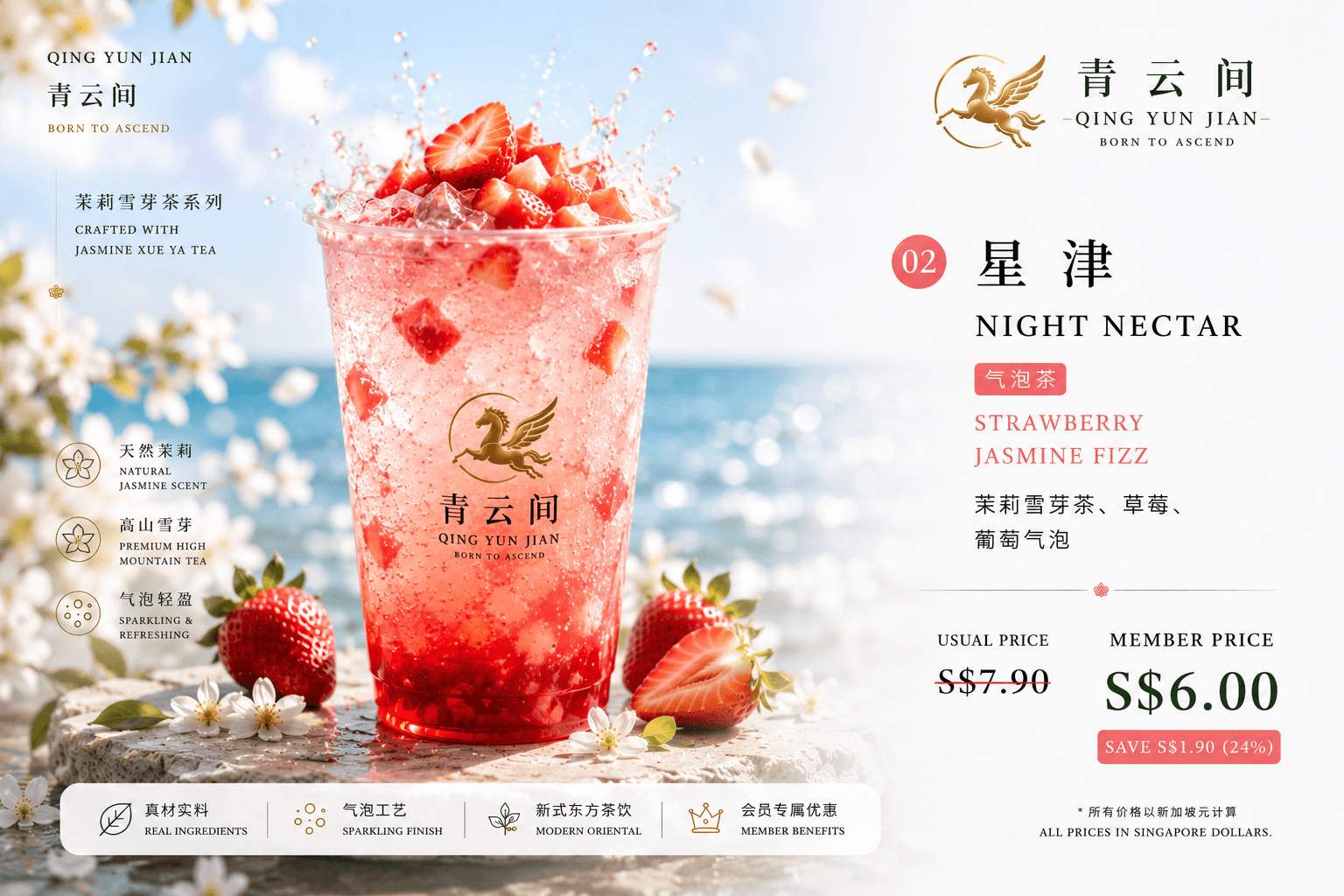
Jasmine Tea
Jasmine Tea: Aroma, Flavour and Quality
Learn how jasmine tea is scented, how to recognise quality and why its floral character suits modern sparkling drinks.
8 min read
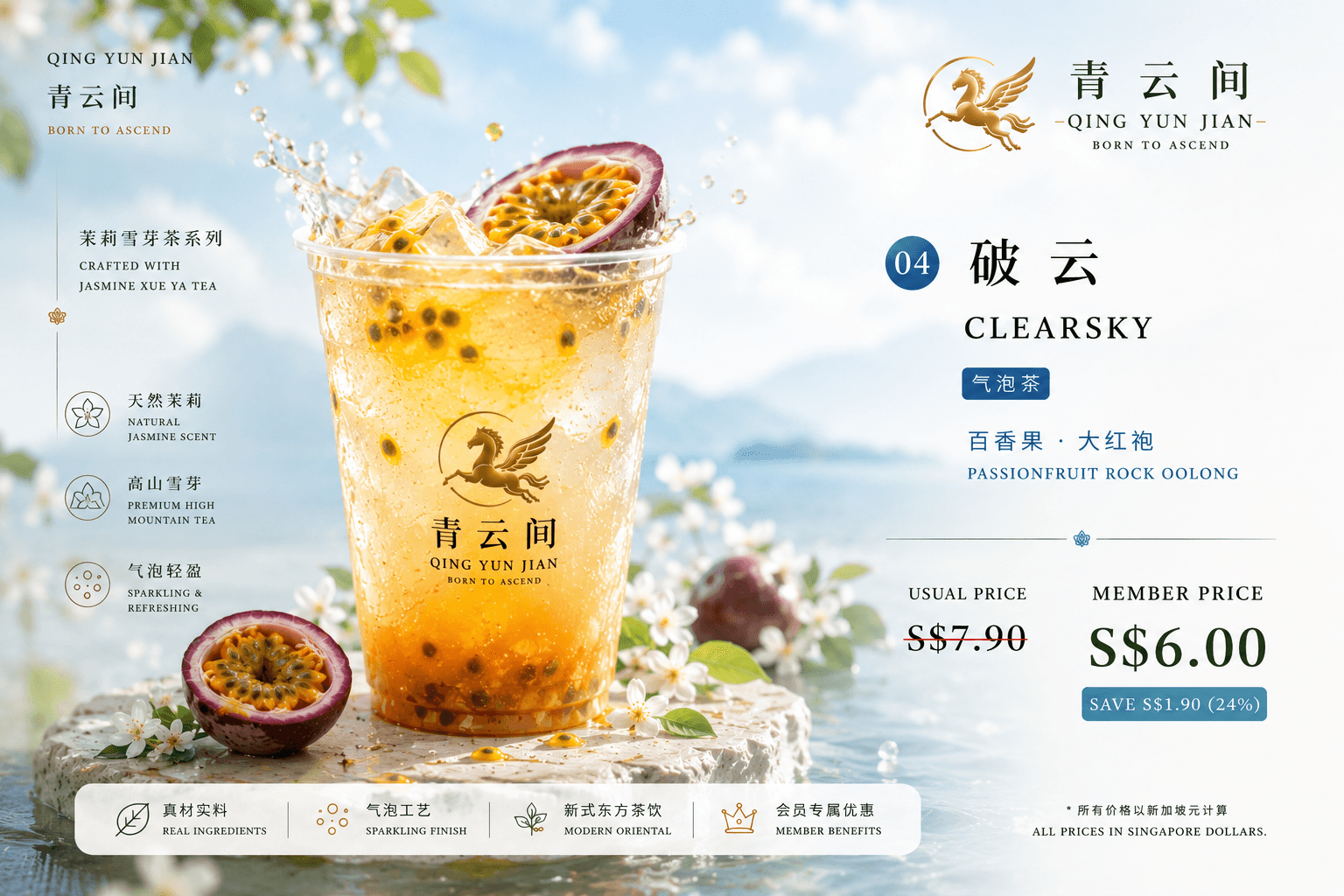
Oolong Tea
Oolong Tea for Beginners
Discover oolong tea styles, oxidation, aroma and simple ways to choose an approachable first cup.
8 min read